Water Heater Installation & Replacement in North Carolina
Upgrade to high-efficiency residential hot water. We size and install modern atmospheric gas, power vent, and electric storage water heaters with code-compliant expansion tanks, brass shutoffs, and comprehensive warranties.
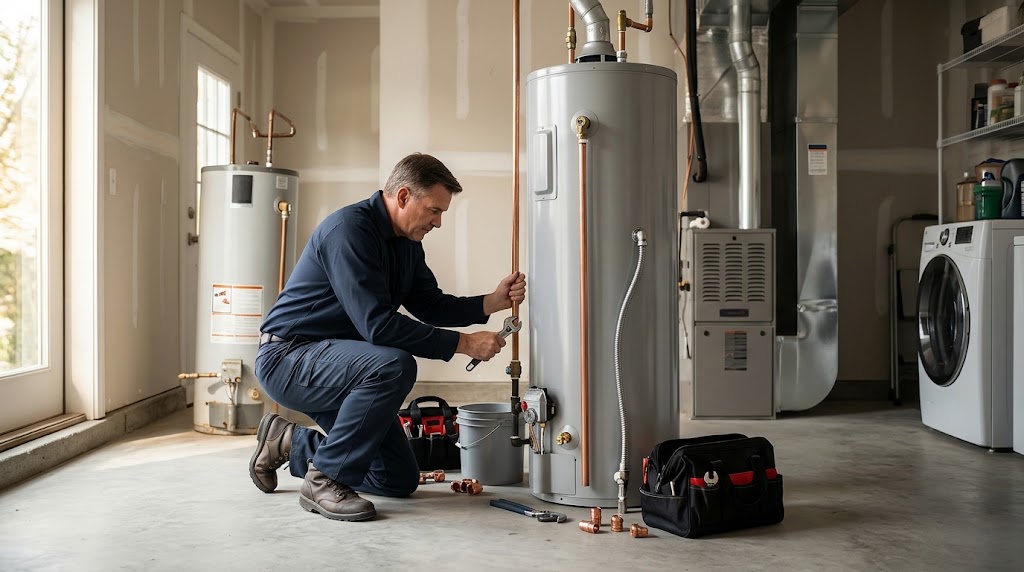
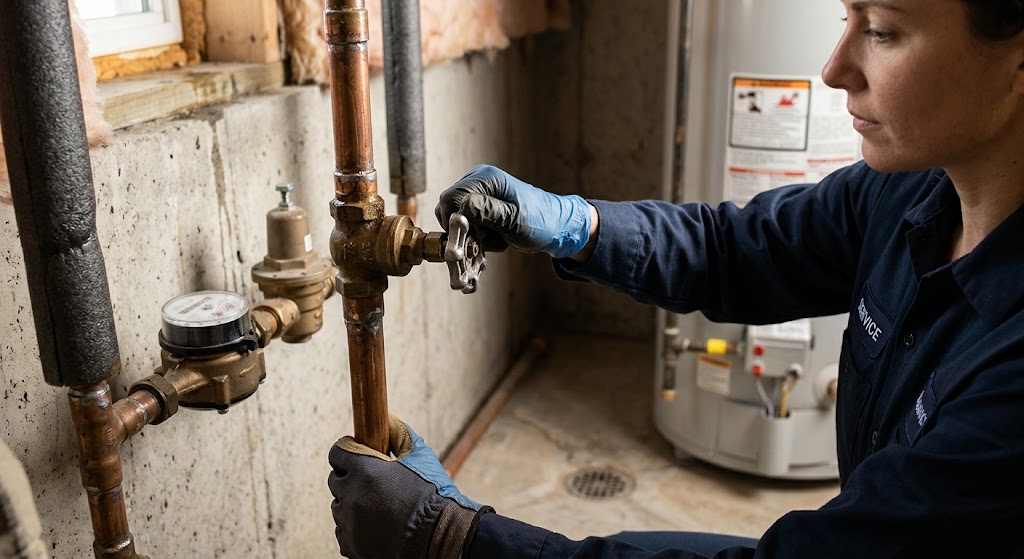
Mechanical diagnostic testing adhering to North Carolina State Plumbing Code standards.
Common Symptoms Requiring Professional Attention
Ignoring early plumbing symptoms frequently converts minor mechanical adjustments into costly domestic emergencies. Look out for the following critical indicators in your home:
- Existing storage water heater is older than 10 to 12 years
- Visible structural rust or moisture dripping from the bottom tank casing
- Frequent component breakdowns with mounting cumulative repair costs
- Insufficient hot water capacity for expanding household family demands
- Escalating energy utility bills caused by degraded heating efficiency
- Persistent rusty discolored hot water despite flushing attempts
"Catching pressure surges or micro-leaks early prevents the catastrophic drywall rot, subfloor warping, and structural mold remediation that follows untreated domestic plumbing failures."
North Carolina Plumbing Co. Quality ProtocolOur Professional Diagnostic Protocol
We evaluate your home's hot water consumption, simultaneous fixture usage, incoming cold groundwater temperature, and energy availability (natural gas, LP, or 240V electric service). We calculate the exact First Hour Rating (FHR) required for your home and ensure full compliance with the North Carolina State Plumbing Code, including thermal expansion tanks, full-port brass isolation ball valves, and dedicated temperature-pressure discharge piping.
Diaphragm expansion tanks pre-charged to match household static water pressure, absorbing hydraulic expansion during heating cycles.
Sacrificial galvanic core rods that corrode preferentially to protect the steel tank lining from electrolytic attack.
Heavy-duty full-port isolation shutoff valves replacing fragile multi-turn gate valves on the cold water inlet line.
Rigid 3/4-inch copper or CPVC lines routed downhill to an approved exterior termination point or floor drain pan.
Code-Compliant Material Standards
All plumbing installations and repairs performed by North Carolina Plumbing Co. strictly conform to the North Carolina State Plumbing Code. We use approved materials including Lead-Free brass fittings, ASTM-compliant copper and PEX-a piping, and rated shutoff valves.
Repair vs. Replacement Decision Guidance
We believe in transparent, data-driven decisions that balance immediate repair costs against long-term equipment reliability.
| Plumbing Component / Symptom | When Repair is Recommended | When Replacement is Recommended |
|---|---|---|
| Heater Age 1 to 7 Years | Component replacement (element, thermostat, anode rod) | Only if physical tank breach occurs |
| Heater Age 8 to 10 Years | Viable if repair cost is under 30% of new system price | Consider replacement to avoid catastrophic leak damage |
| Heater Age 10+ Years | Not recommended due to imminent tank fatigue | Full replacement with high-efficiency unit and warranty |
Frequently Asked Questions
Straightforward answers regarding domestic service protocols, plumbing physics, and homeowner maintenance.
What size water heater does a typical North Carolina family need?
A home with 1 to 2 occupants generally requires a 30 to 40-gallon tank. Homes with 3 to 4 occupants require a 50-gallon tank (or high-recovery gas unit). Homes with 5+ occupants or deep soaking tubs typically require a 75-gallon storage tank or a continuous-flow tankless conversion.
Why is a thermal expansion tank required by North Carolina code?
When water is heated, it expands in volume. Because modern municipal water systems install backflow check valves or pressure regulators, creating a 'closed plumbing system,' expanding water has nowhere to go, causing pressure spikes that rupture tank seams. An expansion tank absorbs this pressure.
How long does a professional water heater replacement take?
A standard like-for-like residential tank replacement typically takes 3 to 4 hours. This includes safely isolating power/gas, draining the old unit, hauling it away, installing the new tank, configuring supply lines, installing an expansion tank, and pressure testing.
What is the difference between atmospheric and power-vent gas water heaters?
Atmospheric gas heaters draft hot exhaust gases naturally up a metal chimney flue. Power-vent heaters use an electric motorized fan to push exhaust horizontally through PVC piping out a side wall, allowing flexible installation without an existing chimney.
Do new water heaters include manufacturer warranties?
Yes. Modern residential water heaters come with standard 6-year to 10-year manufacturer tank and parts warranties, backed by our professional installation guarantee.