Frequently Asked Residential Plumbing Questions
Explore clear, code-compliant answers to the most common domestic plumbing dilemmas faced by North Carolina homeowners, covering water heating physics, drain blockages, water pressure regulation, and leak detection protocols.
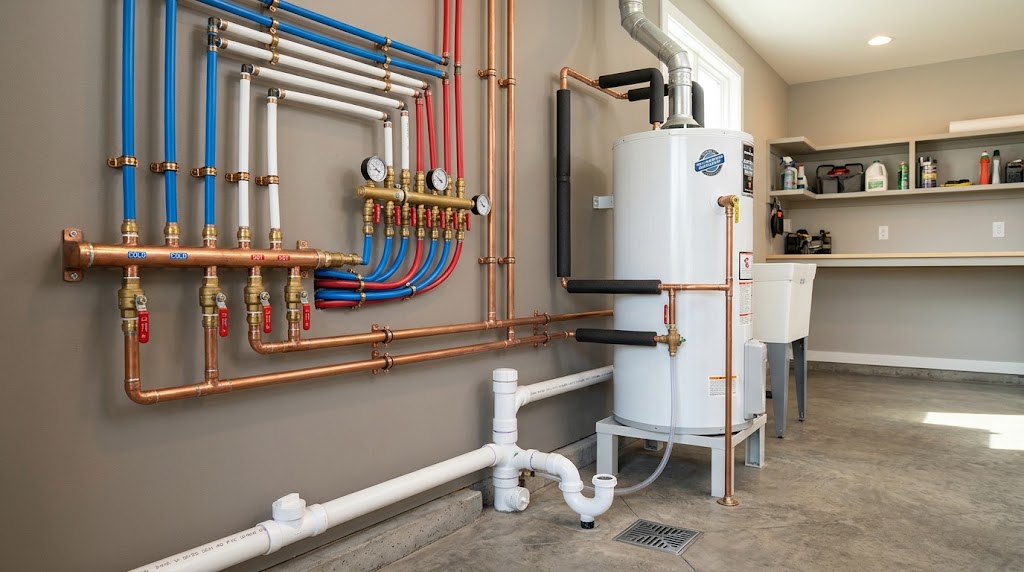
How often should a residential tank water heater be drained or flushed?
In North Carolina, municipal water contains varying levels of calcium, magnesium, and mineral sediment. Draining and flushing your water heater once every 12 months prevents hard sediment from insulating the bottom of the tank, protecting the heating elements from burning out and reducing popping noises.
When sediment builds up higher than 2 to 3 inches at the base of the tank, it traps heat from the gas burner or covers the lower electric heating element. This causes the element to overheat and fail prematurely while drastically increasing your monthly energy consumption.
Why do chemical drain cleaners often cause more harm than good?
Liquid chemical drain cleaners rely on caustic chemicals like sodium hydroxide or sulfuric acid that generate intense heat through exothermic reactions. In older homes, this heat can soften PVC glue joints or accelerate corrosion in cast iron and copper trap assemblies, while often failing to clear dense organic root clogs or deep sewer blockages.
Mechanical cabling with a heavy-duty motorized snake or high-pressure hydro-jetting physically scours the interior pipe walls, restoring full diameter drainage without risking structural pipe damage or chemical burns to your family and service technicians.
What are the common signs of a hidden water leak inside a finished home?
Signs include an unexplained increase in your monthly municipal water bill, the continuous sound of running water when all taps are off, warm spots on hardwood or tile flooring (indicative of a hot-water slab leak), unexplained musty odors, and localized peeling paint or warped baseboards.
If you suspect a leak, conduct a 15-minute meter test by ensuring all fixtures are off and observing if your water meter dial moves. Non-invasive acoustic leak detection can then pinpoint the precise fissure location behind drywall or below foundation concrete.
What is the standard lifespan of a residential tank water heater in North Carolina?
Most standard residential storage tank water heaters have an average operational lifespan of 8 to 12 years. Regular annual maintenance, sacrificial anode rod replacement at year 5, and properly regulated household water pressure (under 75 PSI) can extend tank longevity toward the 12-to-15 year mark.
If your unit is older than 10 years and begins weeping from the bottom seam or tripping the electrical breaker, replacement is significantly safer and more cost-effective than continuous repair calls.
Why is my domestic water pressure surging or causing pipe knocking?
Water hammer or surging is typically caused by either a failed Pressure Reducing Valve (PRV) allowing high municipal street pressure (80–120+ PSI) into your interior pipes, or waterlogged hammer arrestors near quick-closing solenoid valves (such as washing machines and dishwashers). Installing or rebuilding the main PRV restores steady, code-compliant pressure.
High water pressure is a leading cause of burst toilet supply lines and weeping water heater temperature-pressure relief valves. Maintaining pressure between 55 and 70 PSI protects domestic appliances.
Should I replace my water heater with a tankless model or a new storage tank?
Tankless water heaters provide continuous hot water and lower standby energy losses, making them ideal for large families with high consecutive hot water demands. However, they require higher natural gas supply lines (typically 3/4-inch line with 199,000 BTU capacity) or dedicated 120A electric service. For standard homes, high-efficiency storage tanks offer lower upfront installation costs with dependable performance.
Why do tree roots frequently invade sewer lateral lines in North Carolina?
Piedmont red clay soil shifts between wet winters and dry summers, causing mechanical stress that opens microscopic joint gaps in vitrified clay or cast iron sewer pipes. Nearby mature trees (oak, pine, sweetgum) detect escaping moisture and nutrient-rich vapor, sending fine hair roots through the joints that expand into dense pipe-blocking root balls.
Our heavy-duty mechanical cabling equipment utilizes spinning C-cutter blades that shave roots flush with the pipe wall, followed by high-definition camera verification to inspect structural pipe integrity.
How should North Carolina homeowners winterize outdoor faucets and crawlspaces?
Always disconnect all garden hoses before the first freeze. When a hose remains connected, water cannot drain from the frost-proof sillcock valve body, causing water to freeze and rupture the pipe inside the wall cavity. For homes with crawlspaces, verify that foundation vents are secured and crawlspace supply pipes are insulated with closed-cell polyethylene foam.