Precision Water Leak Detection & Repair Across North Carolina
Concealed water leaks destroy structural framing, subflooring, and finished drywall. We utilize advanced electronic listening discs, correlation equipment, and thermal imaging cameras to pinpoint hidden pipe leaks without unnecessary demolition.
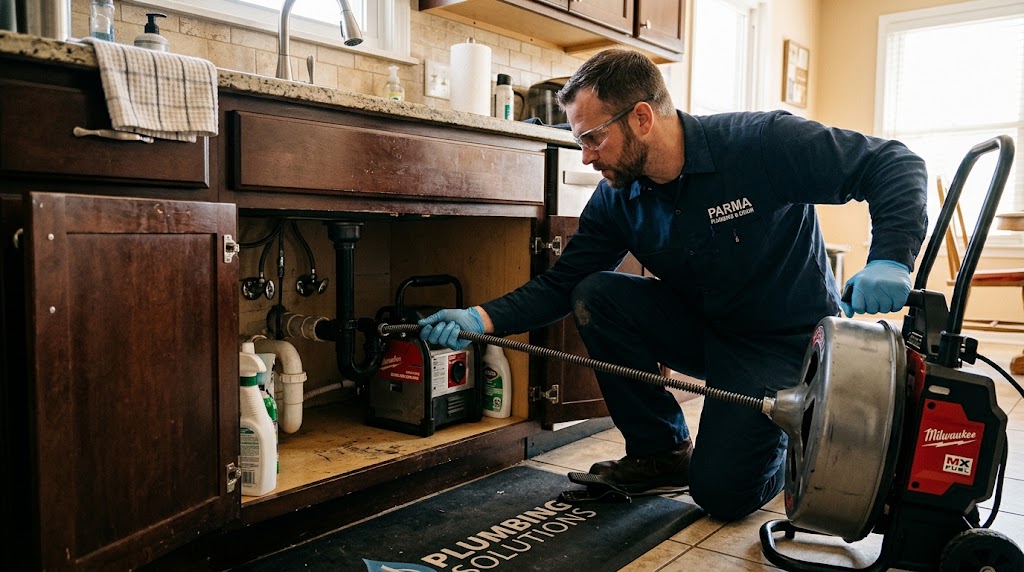
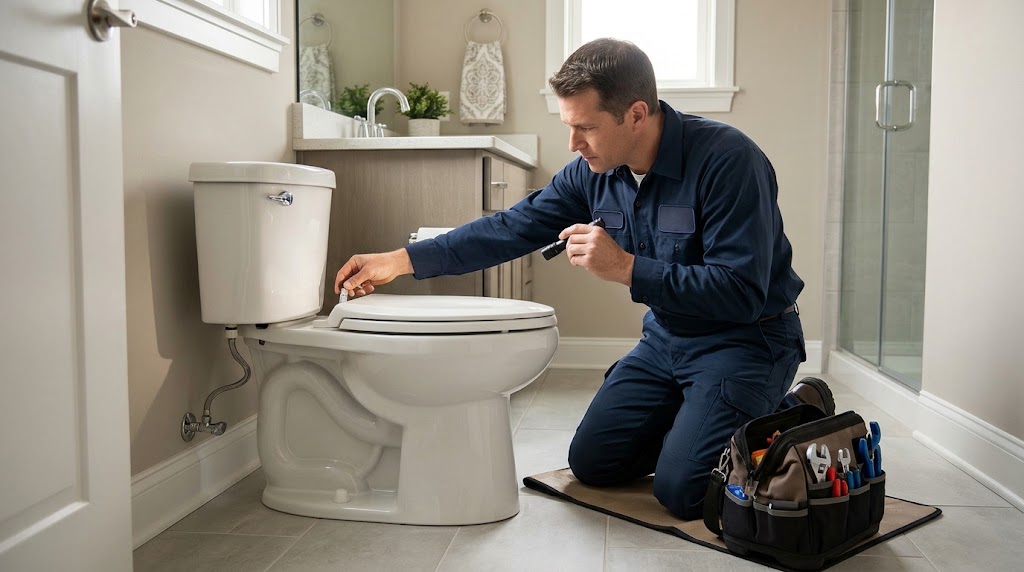
Mechanical diagnostic testing adhering to North Carolina State Plumbing Code standards.
Common Symptoms Requiring Professional Attention
Ignoring early plumbing symptoms frequently converts minor mechanical adjustments into costly domestic emergencies. Look out for the following critical indicators in your home:
- Significant unexplainable increase on your municipal water utility statement
- The distinct hissing sound of running water when all household taps are secured
- Damp, warm, or discolored patches on tile, hardwood, or carpeted flooring
- Cracks along interior drywall, foundation baseboards, or peeling paint
- Water meter leak indicator triangle or digital dial spinning continuously
- Drop in domestic hot water pressure caused by under-slab supply breach
"Catching pressure surges or micro-leaks early prevents the catastrophic drywall rot, subfloor warping, and structural mold remediation that follows untreated domestic plumbing failures."
North Carolina Plumbing Co. Quality ProtocolOur Professional Diagnostic Protocol
We employ a systematic non-destructive protocol. First, we perform a pressure decay test on hot and cold domestic systems to confirm pressure drop. Next, we use high-sensitivity acoustic listening equipment that detects the frequency of pressurized water escaping through copper or PEX fissures. Combined with high-resolution infrared thermal imaging, we isolate the exact location beneath a concrete slab or behind finished tile before opening access points.
High-gain ground microphones that amplify low-frequency hydraulic vibrations through concrete slabs and subfloors.
Thermal imaging sensors displaying temperature gradients on flooring and drywall to detect concealed hot-water slab lines.
Calibrated digital pressure instruments that record static line pressure to within 0.1 PSI to verify system seal integrity.
Transmitter sondes that trace the path and depth of metallic and non-metallic water supply pipes through building foundations.
Code-Compliant Material Standards
All plumbing installations and repairs performed by North Carolina Plumbing Co. strictly conform to the North Carolina State Plumbing Code. We use approved materials including Lead-Free brass fittings, ASTM-compliant copper and PEX-a piping, and rated shutoff valves.
Repair vs. Replacement Decision Guidance
We believe in transparent, data-driven decisions that balance immediate repair costs against long-term equipment reliability.
| Plumbing Component / Symptom | When Repair is Recommended | When Replacement is Recommended |
|---|---|---|
| Isolated Wall Cavity Pinhole | Open precise 6x6-inch drywall pocket and sweat in copper repair sleeve | Repipe branch if pipe exhibits widespread interior acid etching |
| Under-Slab Foundation Hot Line | Spot jackhammer access and braze heavy-duty Type K copper sleeve | Overhead PEX reroute through attic or joists to abandon underground pipe |
| Main Service Yard Line Leak | Excavate localized joint and install compression repair coupling | Trenchless directional boring or whole-line pull from meter to home |
Frequently Asked Questions
Straightforward answers regarding domestic service protocols, plumbing physics, and homeowner maintenance.
What is a slab leak and how does it happen?
A slab leak is a leak in the copper or PEX water supply lines running beneath your home's concrete foundation slab. They occur from friction against rocks or rebar during thermal expansion, soil shifting, or chemical corrosion from alkaline soils.
Is an overhead reroute better than breaking through the slab?
In most cases, yes. An overhead reroute abandons the failing pipe under the slab and runs a new, uninterrupted PEX line through the attic or ceiling joists. This avoids destructive jackhammering of finished flooring and eliminates the risk of future underground leaks on that run.
Will my homeowner's insurance cover water leak detection and repair?
Most homeowner policies cover the damage caused by the water (drywall, flooring, remediation) and often the access cost to find the leak, though the specific pipe fitting repair itself is generally the homeowner's responsibility. We provide detailed diagnostic documentation for claims.
How does non-invasive acoustic testing work?
Pressurized water escaping through a pipe fissure creates a distinct high-frequency acoustic vibration. Our listening discs filter out ambient room noise and amplify this sound, allowing us to pinpoint the leak within inches.
What should I do while waiting for a leak detection technician?
If water is actively accumulating, locate your main domestic water shutoff valve and turn it clockwise until fully closed. Open an exterior spigot to relieve remaining line pressure.