Residential Plumbing Repair Services Across North Carolina
Domestic plumbing repairs require methodical mechanical diagnosis. From pinhole copper leaks and failing pressure reducing valves to damaged shutoffs and polybutylene pipe replacement, we restore integrity to your home's water supply with code-compliant craftsmanship.
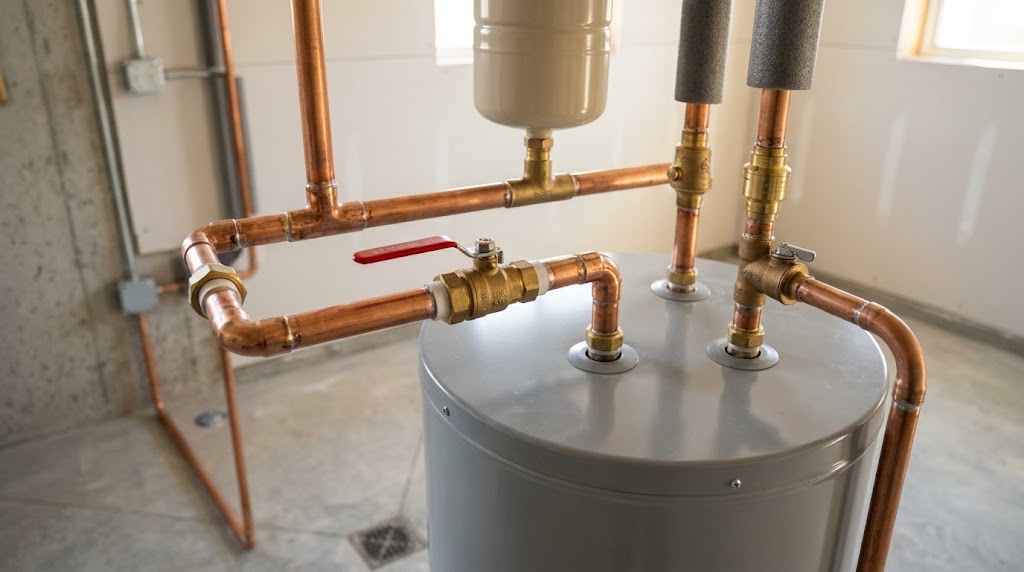
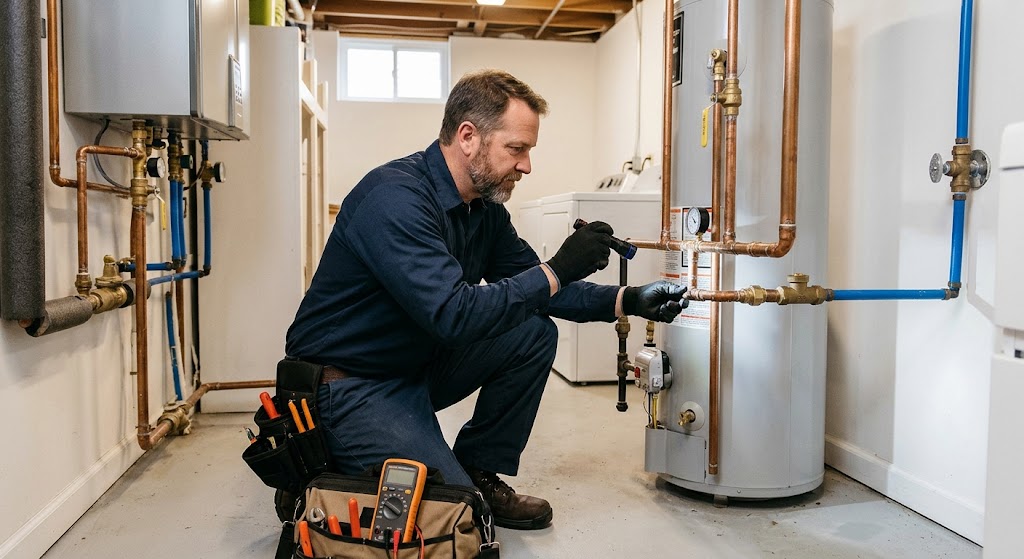
Mechanical diagnostic testing adhering to North Carolina State Plumbing Code standards.
Common Symptoms Requiring Professional Attention
Ignoring early plumbing symptoms frequently converts minor mechanical adjustments into costly domestic emergencies. Look out for the following critical indicators in your home:
- Persistent drop in domestic water pressure across multiple faucets
- Audible banging, vibrating, or water hammer noises when valves shut
- Visible oxidation, green corrosion, or moisture around copper fittings
- Unexplained dampness or discoloration on drywall, ceilings, or baseboards
- Continuously running toilet fill valves or dripping shutoff angle stops
- Slow weeping from under-sink supply tubes or compression couplings
"Catching pressure surges or micro-leaks early prevents the catastrophic drywall rot, subfloor warping, and structural mold remediation that follows untreated domestic plumbing failures."
North Carolina Plumbing Co. Quality ProtocolOur Professional Diagnostic Protocol
Our technicians start every visit with static and dynamic pressure testing at the main domestic entry shutoff. By testing line pressures against local municipal supply thresholds (typically 60 to 75 PSI), we verify whether high street surges have compromised your interior fittings. We isolate branch runs to inspect solder joints, compression fittings, and PEX connections, providing an honest mechanical assessment before starting repairs.
Standard residential 3/4-inch and 1-inch bronze-body regulator valves engineered to modulate high municipal water pressures down to a safe 50-70 PSI operating window.
Cross-linked polyethylene pipe utilizing cold-expansion memory rings (ASTM F1960) that maintain full internal diameter and resist winter freeze ruptures.
Replacing multi-turn packing-gland shutoff valves with solid brass ball-valve angle stops for reliable zero-leak emergency isolation.
Piston-style stainless steel air chambers positioned adjacent to fast-closing washing machine and dishwasher solenoids to absorb hydraulic shock waves.
Code-Compliant Material Standards
All plumbing installations and repairs performed by North Carolina Plumbing Co. strictly conform to the North Carolina State Plumbing Code. We use approved materials including Lead-Free brass fittings, ASTM-compliant copper and PEX-a piping, and rated shutoff valves.
Repair vs. Replacement Decision Guidance
We believe in transparent, data-driven decisions that balance immediate repair costs against long-term equipment reliability.
| Plumbing Component / Symptom | When Repair is Recommended | When Replacement is Recommended |
|---|---|---|
| Isolated Supply Joint Leak | Cut out damaged section; solder copper coupling or crimp ASTM-F1807 PEX fitting | Recommended if surrounding pipe shows systemic pitting or thin walls |
| Pressure Reducing Valve (PRV) | Rebuilding internal diaphragm if valve body is under 5 years old | Full replacement if body is corroded or municipal pressure exceeds 80 PSI |
| Polybutylene / Galvanized Piping | Temporary mechanical repair clamp for emergency containment | Sectional or whole-home repiping using durable PEX-a or Type L copper |
Frequently Asked Questions
Straightforward answers regarding domestic service protocols, plumbing physics, and homeowner maintenance.
What causes sudden low water pressure throughout my home?
If pressure drops everywhere simultaneously, the culprit is typically a failing Pressure Reducing Valve (PRV), a partially closed municipal curb stop, or severe mineral scaling inside an older galvanized main service line. If pressure is low at only one fixture, an aerator clog or failed cartridge is more probable.
Why do pipes rattle or bang loudly when a faucet or washing machine shuts off?
This phenomenon is known as water hammer. It occurs when fast-closing electronic solenoid valves abruptly stop water momentum, creating a high-pressure shockwave that shakes loose pipes. Installing water hammer arrestors or rebuilding a failed PRV eliminates the condition.
How quickly should a pinhole pipe leak be addressed?
Immediately. Pinhole leaks in copper or corroded fittings never heal themselves. Even a tiny drip can saturate wooden framing, rot subflooring, and trigger mold within 24 to 48 hours. Call (888) 205-7875 for rapid dispatch.
What is polybutylene piping and why is it dangerous?
Polybutylene is a gray plastic pipe installed widely in North Carolina homes between 1978 and 1995. Chlorine in municipal water degrades the acetal plastic fittings, leading to sudden, catastrophic pipe fractures without warning. Replacing with PEX eliminates this risk.
Do you perform whole-home domestic repiping?
Yes. When older copper or galvanized pipes suffer from systemic pitting or pinhole leaks, we perform whole-home overhead PEX repipes that route through attics and floor joists with minimal drywall disruption.