Professional Drain Cleaning & Clog Clearing Across North Carolina
Eliminating slow drains, recurring kitchen sink grease blockages, and main sewer lateral stoppages using heavy-duty motorized cabling machinery and precision drain inspection across North Carolina homes.
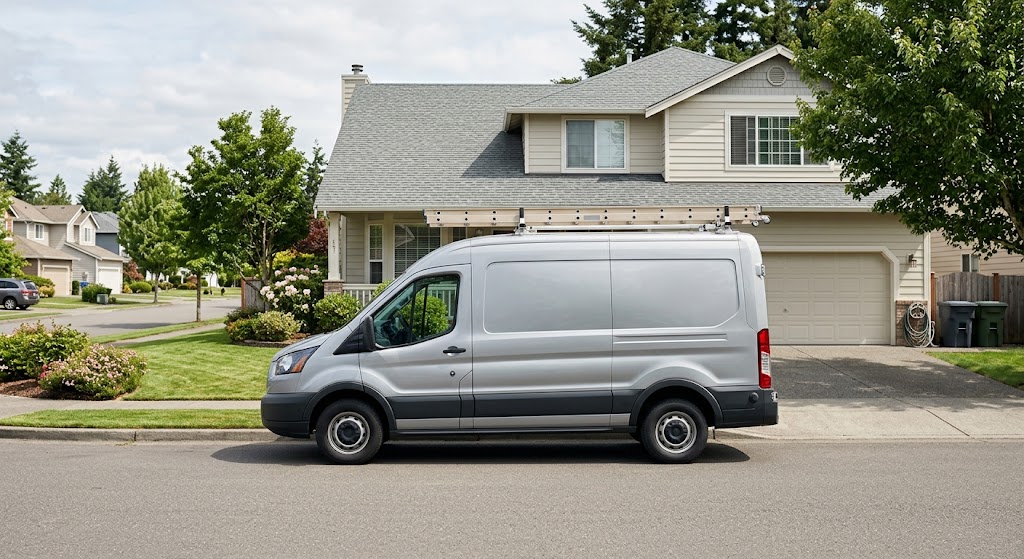
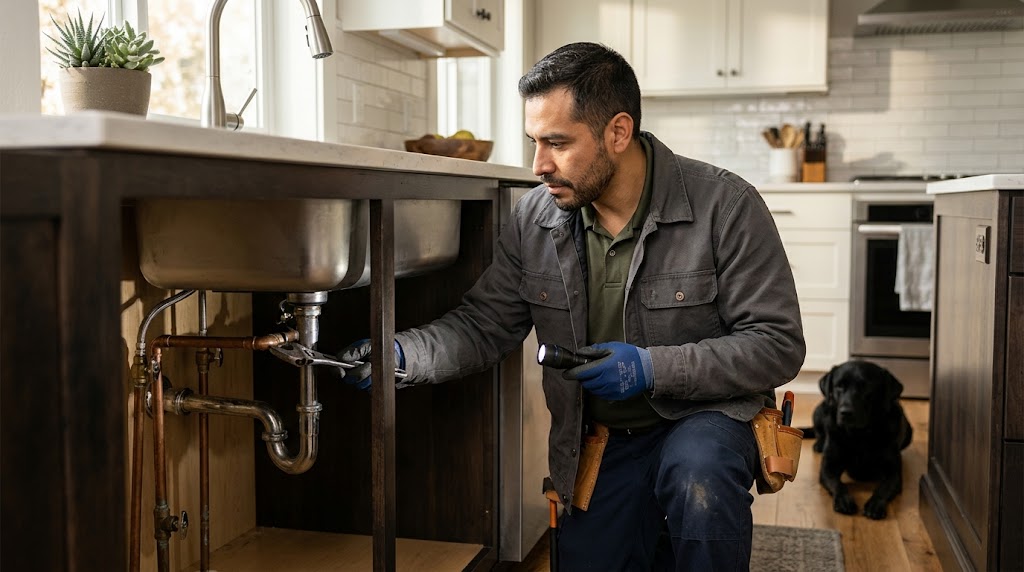
Mechanical diagnostic testing adhering to North Carolina State Plumbing Code standards.
Common Symptoms Requiring Professional Attention
Ignoring early plumbing symptoms frequently converts minor mechanical adjustments into costly domestic emergencies. Look out for the following critical indicators in your home:
- Slow drainage in kitchen sinks, bathroom lavatories, or bathtub basins
- Gurgling sounds emanating from toilets or adjacent drains when water empties
- Foul sewer gas odors escaping from floor drains or disposal units
- Water backing up into the lowest tub or shower during clothes washing cycles
- Recurring clogs that return weeks after using consumer chemical drain cleaners
- Multiple lower-level fixtures draining sluggishly at the same time
"Catching pressure surges or micro-leaks early prevents the catastrophic drywall rot, subfloor warping, and structural mold remediation that follows untreated domestic plumbing failures."
North Carolina Plumbing Co. Quality ProtocolOur Professional Diagnostic Protocol
We evaluate the drainage system starting from the affected branch back toward the main building cleanout. By examining fixture venting and testing flow rates, we determine whether the obstruction is localized to a hair trap or represents a deeper main building drain blockage. Our technicians utilize heavy-duty sectional and drum cabling equipment equipped with hardened cutting heads to physically shave away grease coats, scale, and root intrusions.
High-tensile aircraft wire inner-core cables that resist kinking and deliver maximum torque to cutting heads deep inside underground pipes.
Specialized mechanical cutter attachments sized to match the exact internal diameter of 3-inch and 4-inch sewer laterals to shear roots flush with pipe walls.
Forward-penetrating and rear-propelling water nozzles delivering 3,000 to 4,000 PSI to scour emulsified cooking grease and soft sediment from waste lines.
Self-leveling color optical cameras with 512Hz sonde locators to visually confirm root removal and evaluate pipe structural integrity.
Code-Compliant Material Standards
All plumbing installations and repairs performed by North Carolina Plumbing Co. strictly conform to the North Carolina State Plumbing Code. We use approved materials including Lead-Free brass fittings, ASTM-compliant copper and PEX-a piping, and rated shutoff valves.
Repair vs. Replacement Decision Guidance
We believe in transparent, data-driven decisions that balance immediate repair costs against long-term equipment reliability.
| Plumbing Component / Symptom | When Repair is Recommended | When Replacement is Recommended |
|---|---|---|
| Kitchen Sink & Disposal Clog | Mechanical snake clearing of P-trap and branch arm up to 25 feet | Re-piping branch arm if line suffers from improper slope (back-pitch) |
| Bathroom Hair / Soap Build-up | Direct mechanical clearing of pop-up assembly and trap adapter | Upgrading corroded brass slip-joint traps to schedule 40 PVC |
| Main Sewer Lateral Obstruction | Heavy-duty 3/4-inch cable root-cutting to restore immediate flow | Sectional spot pipe repair if camera reveals collapsed clay or broken PVC |
Frequently Asked Questions
Straightforward answers regarding domestic service protocols, plumbing physics, and homeowner maintenance.
Why do chemical drain cleaners fail to solve persistent clogs?
Consumer drain liquids sink through standing water, diluting their chemical strength before reaching the blockage. Furthermore, they often burn a small pinhole through the center of a grease or hair mass without scouring the pipe walls, leading to rapid re-clogging while risking chemical burns to your plumbing.
What is the difference between a fixture drain and a main sewer line?
A fixture drain is a 1.5-inch to 2-inch pipe serving an individual sink, tub, or shower. The main sewer line is a 3-inch or 4-inch pipe that collects waste from all household fixtures and conveys it underground to the municipal sewer or septic tank.
How can homeowners prevent kitchen sink clogs?
Never pour fats, oils, or grease (FOG) down the drain. Collect grease in a tin can, scrape food scraps into the trash, and run cold water for 15 seconds after running the garbage disposal to flush residual food particles past the horizontal branch run.
What causes gurgling sounds in toilets when a sink or tub drains?
Gurgling indicates a restricted drain or blocked plumbing vent stack. As wastewater rushes through the pipe, it creates a negative vacuum that pulls air through nearby fixture P-traps, causing the water seal to bubble and gurgle.
Can hydro-jetting damage older residential sewer lines?
When performed by trained technicians following a preliminary video camera inspection, hydro-jetting is completely safe for sound pipes. If the pipe is severely fractured or collapsed, physical repair is indicated before hydro-jetting.