Expert Water Heater Repair in Holly Springs, NC
Restoring reliable hot water delivery for Holly Springs residences. Our licensed technicians diagnose electrical component failures, faulty gas control valves, ruptured dip tubes, and temperature-pressure relief valve defects, delivering durable repairs that extend water heater service life.
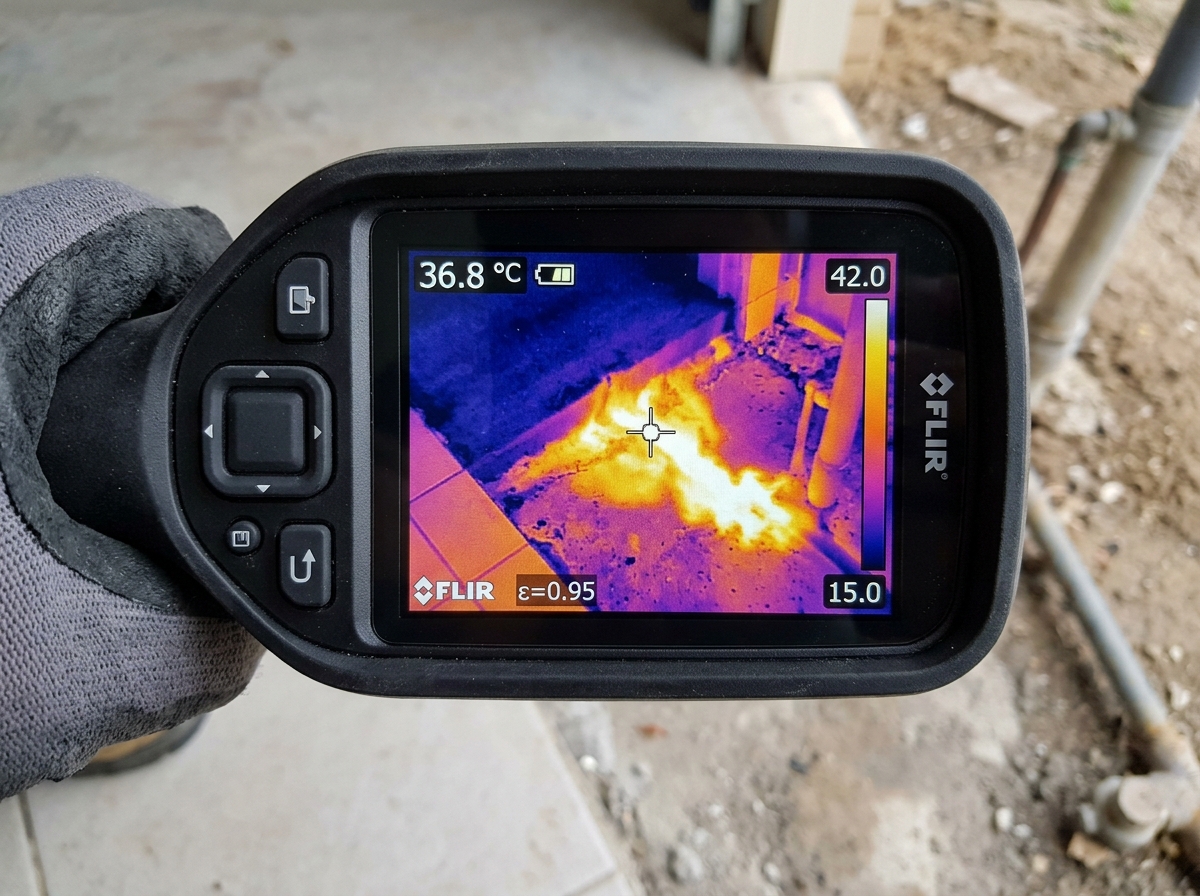
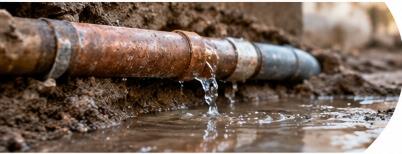
Rigorous evaluation of residential plumbing components in Holly Springs, NC.
Warning Signs of Water Heater Failure in Holly Springs
Water heaters rarely fail without prior operational distress. In Holly Springs homes (12 Oaks, Sunset Ridge, Braemar, Holly Glen, and Woodcreek), domestic water heating systems show predictable mechanical symptoms before complete breakdown occurs:
-
Sudden Loss of Hot Water Capacity: Showers turning cold prematurely or hot water recovery taking several hours, indicating lower heating element burnout.
-
Rumbling or Popping Sounds: Loud knocking noises resembling popping corn coming from inside the tank base, caused by boiling water trapped beneath mineral sediment.
-
T&P Relief Valve Weeping: Water dripping steadily from the temperature and pressure discharge pipe, signaling thermal expansion pressure buildup above 150 PSI.
-
Rusty or Discolored Water: Reddish-brown hot water flowing from faucets while cold water remains crystal clear, indicating sacrificial anode depletion and active internal tank oxidation.
-
Pilot Flame Failure on Gas Units: Gas burner repeatedly failing to ignite or extinguishing immediately, pointing to thermocouple millivolt drop or a faulty thermopile.
"Ignoring a weeping Temperature & Pressure relief valve is dangerous -- it is the primary mechanical failsafe preventing catastrophic tank over-pressurization."
North Carolina Plumbing Co. Quality ProtocolSystematic Electrical & Combustion Diagnostics
When evaluating a malfunctioning water heater in Holly Springs, our technician executes a systematic trade diagnostic. For electric water heaters, we de-energize the unit and test both upper and lower heating elements for proper electrical resistance (10 to 16 ohms) and ground continuity using calibrated digital multimeters.
On atmospheric and power-vent gas water heaters, we test thermocouple and thermopile millivolt output, check manifold gas pressure, verify flue draft velocity, and evaluate electronic ignition sequence codes. We thoroughly inspect tank integrity, verifying whether the issue is a repairable component failure or structural tank wall rupture.
Precision electrical resistance and voltage testing across thermostats and heating elements to isolate open circuits and grounded element sheaths.
Testing thermocouple and thermopile output to ensure gas control valves receive adequate voltage (25-30 mV) to keep safety shutoff pilots engaged.
Verifying ASME-certified 150 PSI / 210-degree Fahrenheit safety relief valves, ensuring prompt discharge during thermal expansion events.
High-flow brass drain valves that replace fragile factory plastic spigots, allowing thorough extraction of hardened calcium scale from tank bases.
Trade Tip for Holly Springs Homeowners: The 120 F Thermostat Standard
Keep your water heater thermostat set to exactly 120 degrees Fahrenheit. Setting temperatures higher accelerates calcium carbonate mineral precipitation inside the tank, doubles the rate of sacrificial anode rod consumption, and creates severe scalding hazards for children and elderly family members.
Holly Springs Mineral Deposition & Water Chemistry
Domestic water supplied across Holly Springs from Harnett County regional intake / Cape Fear River basin and Apex-Cary supply connections carries dissolved mineral solids. Over months of thermal cycling, these minerals precipitate out of solution, settling into a dense calcium sediment layer at the bottom of the water heater tank. In electric models, this sediment buries lower heating elements, causing premature burnout; in gas models, it insulates the burner flame from water, overheating the steel tank bottom and causing loud popping sounds.
Holly Springs Water Heater Repair FAQs
Common questions from Holly Springs homeowners regarding our professional service procedures.
Why is my water heater producing lukewarm water or running out of hot water quickly in
In electric units, this is almost always caused by a burned-out lower heating element or a tripped upper thermostat reset. Because the upper element only heats the top third of the tank, the unit runs out of hot water within minutes.
What does a loud rumbling or popping sound from my water heater tank mean?
Rumbling or kettle-like popping sounds indicate severe mineral sediment accumulation. Water becomes trapped beneath the dense scale layer at the bottom of the tank, boils into steam pockets, and violently bubbles through the sediment layer.
Can a leaking Temperature and Pressure (T&P) relief valve be repaired in
A leaking T&P valve should never be capped or plugged. If it is dripping due to thermal expansion pressure, an ASME-rated expansion tank must be serviced or installed. If the valve seat has deteriorated from age or mineral grit, the entire valve must be replaced.
How frequently should the sacrificial anode rod be replaced in Holly Springs residences?
In Holly Springs, sacrificial anode rods should be inspected every 3 years and replaced when more than 50% of the sacrificial magnesium or aluminum wire is consumed. Maintaining the anode rod prevents tank steel corrosion.
Is it more cost-effective to repair or replace my water heater in
If the water heater is under 8 to 10 years old and the tank itself is not leaking, replacing failed elements, thermostats, or gas valves is highly cost-effective. However, if water is weeping directly from the tank jacket or seam welds, replacement is mandatory.